

Tips for Using a Gimbal Like a Pro

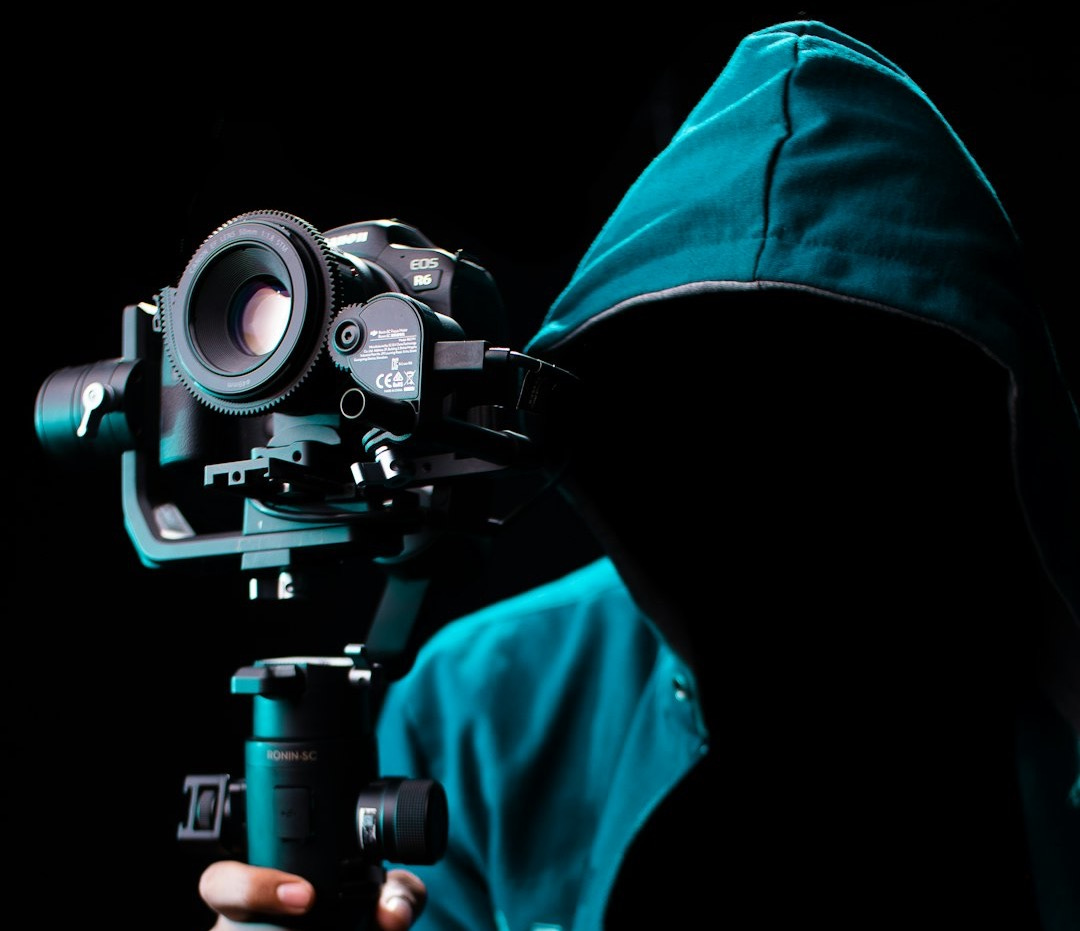
You’re Using Your Gimbal Wrong
I see it all the time with young filmmakers: they get their hands on a gimbal, they’re excited about smooth movement, and suddenly everything they shoot is on a wide lens. And here’s the problem: that’s not how to get a cinematic, professional look.
When you pair a gimbal with a wide lens for every shot, your film starts to scream, “this was shot on a gimbal.” It gives a very distinct look, much like the infamous “5D look” when DSLR filmmaking first exploded: ultra-shallow focus where maybe one eyelash is in focus. Back then, it was a revelation to go from the video world (small sensors, high f-stop lenses) to getting a really shallow depth of field, but many filmmakers quickly overdid it, and it became a visual cliché.
The same principle applies to gimbals. A gimbal is not just a fancy way to stabilize a wide-angle shot; it’s essentially a democratized Steadicam. The goal isn’t to make everything float smoothly across a room; it’s to mimic the controlled, expressive, cinematic movement that makes a film feel expensive and intentional.
Now, to be clear, for some filmmakers, that ultra-smooth, wide-angle gimbal look is exactly what they’re going for and that’s totally valid. It can feel dynamic, immersive, and stylistically intentional. But for most narrative filmmakers trying to elevate the production value of their films, that’s not the approach you want to default to. A tighter lens with controlled movements will almost always feel more cinematic and professional.
Sometimes less is more. When I was in high school, my buddy built me a dolly that ran on PVC pipe. The problem was that connecting more than 10 feet of pipe was impossible without a bump in the track, so we were forced to work within that 10-foot limit. That restriction actually became a blessing: it pushed us to craft simple, intentional moves that were ultimately far more powerful than anything overly complex.
It’s the same principle with gimbals (or drones, for that matter). When you try to do too much (fly, operate the camera, frame everything perfectly) the move often falls apart. Start simple, focus on controlled, purposeful motion, and you’ll find that the most subtle, “invisible” gimbal moves are often the ones that make a film feel polished and professional.
The beauty of a gimbal is that it can give similar moves to a Steadicam at a fraction of the cost. But that means you should approach the use of a gimbal similarly to how you might employ a Steadicam.
Take a close look at the masters: Kubrick, Scorsese, or modern cinematographers doing complex tracking shots. Notice how many of those shots aren’t on wide lenses? They’re using longer lenses, tighter compositions, and carefully choreographed movements to direct your eye and tell the story. This is exactly how you should think about your gimbal. The tool is only as powerful as the thought behind it.
And sometimes, the best way to use a gimbal is…not to use it at all. On Mending the Line, we were setting up a shot where we pushed in on Perry Mattfeld sitting on a couch reading. Someone suggested we go gimbal. I thought it would be faster to just use a dolly, but the gimbal was being heavily pushed for some reason.
First, it took forever to build and mount the camera (we were a one-camera shoot), way longer than it should have and started eating up time in our day. Once it was set up, it was heavy, and the operator had to hunch over to get the right height, as a result, he was struggling with keeping it smooth. The shots we got felt floaty and unnatural, and when I reviewed the dailies, I thought, “this looks cheap.” We ended up reshooting the scene on a dolly sans gimbal. Sometimes the simplest tools (or even no tools) get you the most professional-looking result.
Here’s my advice if you’re using a gimbal: pick a tighter lens. Plan your moves. Make them controlled and purposeful. Work with the environment to guide your camera. Keep it simple. Let your audience feel the motion without screaming, “look at this fancy equipment we’re using!” When you do this, your shots will feel far more expensive, cinematic, and professional.
A gimbal isn’t a shortcut. It’s a tool to elevate your filmmaking. But only if you understand how to use it like the pros.
Tips for Using a Gimbal Like a Pro
Choose a Tighter Lens – Avoid ultra-wide lenses for every shot. Tighter compositions feel cinematic and make movements look intentional.
Plan Your Moves – Don’t just walk and shoot. Block your shots like a Steadicam operator would, and make your movements purposeful.
Use Live Environment – Gimbals are everywhere now, and even the DJI RS3 is compact. Take advantage of this to make your live environment shots look intentional and expensive.
Control Speed – Slow, deliberate gimbal moves feel polished; fast pans or wandering movements scream amateur.
Work With Your Environment – Use doors, hallways, or natural lines in the environment to guide your camera movements, making shots feel intentional and cinematic.
Keep It Simple – Sometimes less is more. Focus on fewer, controlled moves per scene rather than trying to “show off” with constant motion.
Think Story, Not Shots – Use your gimbal to tell a story, not just to impress with motion. Every move should have narrative intent.
Rehearse – Practice movements with actors before rolling. Precision makes your gimbal look like a professional Steadicam setup.
If It's Not Working, Move On – If a gimbal shot isn’t looking right, don’t force it. Switch to handheld or find another way to get the shot rather than risking a cheap-looking take.
For more knowledge on how to produce quality feature films on a micro-budget look no further than my 6K Filmmaker course.
This comprehensive program delivers a deep dive into the world of professional filmmaking, teaching you everything from intricate pre-production planning to efficient post-production workflow, all tailored for a micro-budget approach. Whether you’re a budding filmmaker seeking to explore new creative horizons, or an experienced storyteller ready to take on a more unique approach, this course is for you. Crafted with insights from my personal experiences, from the atmospheric scenes of LAYOVER to the charged encounters in NEGATIVE, this course is the result of the knowledge and wisdom accumulated from years on set. Don’t wait to follow your cinematic dreams. Check out the Micro-Budget Filmmaker course today and start your journey toward telling unforgettable stories!
Follow The Micro-Budget Filmmaker on Instagram and Facebook!
If you enjoyed this story, please recommend and share to help others find it! Feel free to leave a comment below!
Joshua Caldwell is a director, writer, producer, and MTV Movie Award Winner. His debut feature film LAYOVER was made for $6000 and had its World Premiere to sold out crowds at the 2014 Seattle International Film Festival where it was nominated for the prestigious FIPRESCI New American Cinema Award. His most recent film MENDING THE LINE was released worldwide by Sony Pictures and was the #1 film on Netflix.
For more visit Joshua-Caldwell.com!